
toxic-parents
-
How to Go Low Contact With a Narcissistic Mother to Protect Your Children
If contact with your mother repeatedly leaves you or your children feeling anxious, manipulated, criticized, unsafe, or emotionally unsettled, going low contact can be a reasonable way to create more stability. Going low contact with a narcissistic mother usually means reducing the frequency, duration, and emotional intensity of contact rather than ending the relationship completely.…
-
How to Set Boundaries With Toxic Parents: Examples and Scripts
Setting boundaries with a parent can be surprisingly difficult, especially when you have spent years learning to prioritize their feelings over your own. You may know what you need, yet still feel guilty saying no. You may explain yourself repeatedly because you are afraid of being misunderstood. Or you may set a reasonable boundary only…
-
What Happens After Going No Contact With a Narcissistic Mother?
How to Set Boundaries With Parents Who Refuse to Respect Them Deciding to go no contact with a parent is rarely a simple decision. For many adults, especially those raised in emotionally difficult or unsafe family environments, it comes after years of trying to communicate, repair, understand, forgive, or find a healthier way to relate.…
-
How to Set Boundaries With a Mother Who Refuses to Respect Them
The key to setting boundaries with a mother who refuses to respect them is to focus on what you can control: what you communicate, what you allow, and how you respond when a boundary is crossed. You cannot force your mother to agree with your limits, but you can decide what you will do when…
-
What Happens When You Set Boundaries With Toxic Parents? (8 Common Reactions)
Setting boundaries with a toxic parent often changes the relationship—not because boundaries are wrong, but because they change patterns that may have existed for years. Some parents respond with respect and curiosity. Others respond with anger, guilt, denial, or attempts to regain the previous dynamic. Research on family systems, attachment, and interpersonal relationships suggests that…
-

Why Do I Feel Guilty After Setting Boundaries With My Parents?
Feeling guilty after setting boundaries with your parents is common. Learn why it happens, what psychology says, and how to navigate guilt with self-compassion.
-

What Do I Do When My Parents Ignore My Boundaries?
When your parents ignore your boundaries, the first step is to recognize that repeated boundary violations are not simply misunderstandings. They may reflect long-standing family patterns, differences in expectations, or difficulties respecting your autonomy. You cannot force your parents to respect your boundaries, but you can change how you respond, reinforce your limits consistently, and…
-
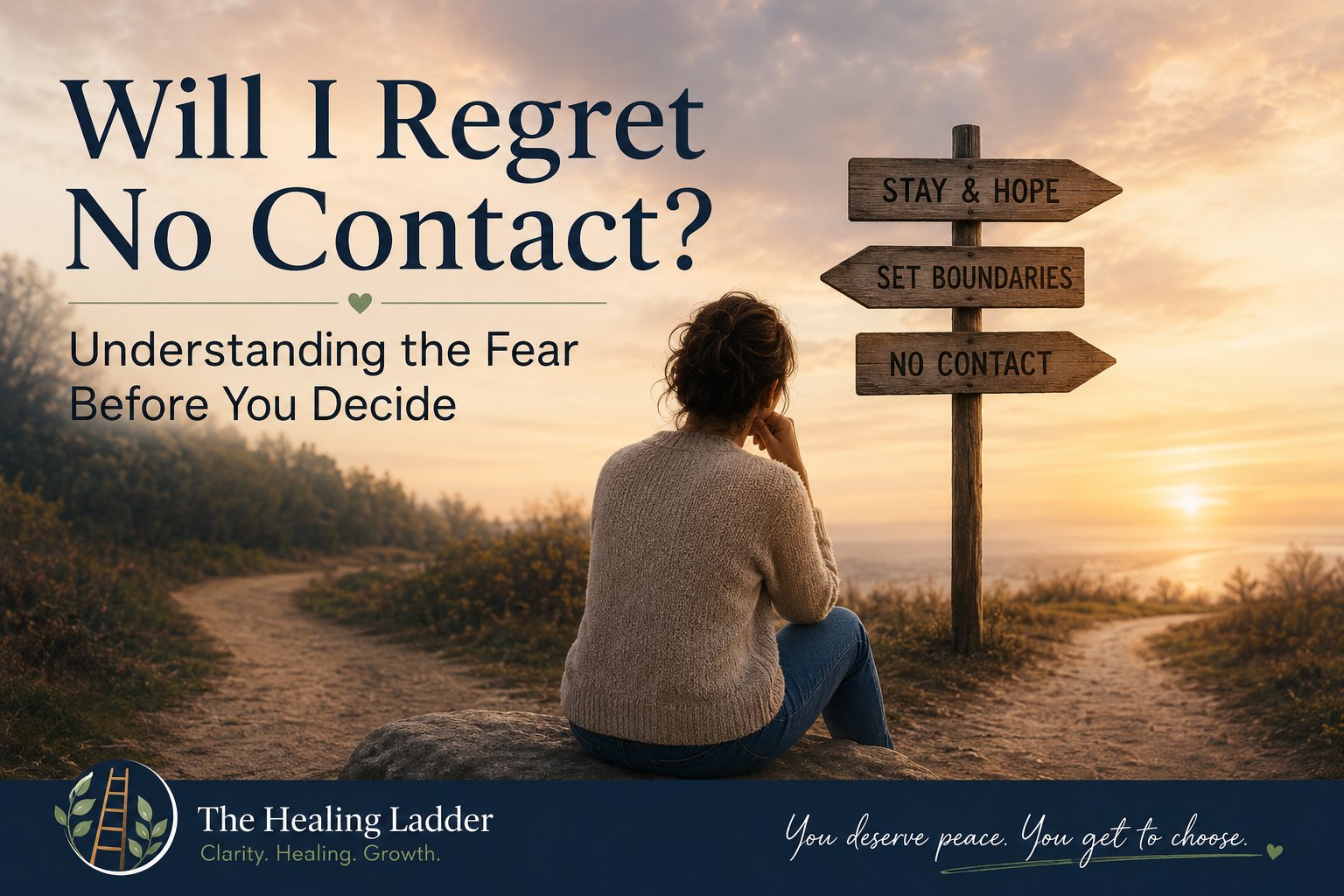
Will I Regret No Contact? Understanding the Fear Before You Decide
If you’re asking yourself, “Will I regret no contact?”, you’re probably carrying more than one emotion at once. There may be relief at the thought of distance, guilt about what others might think, sadness for the relationship you wished you had, and fear that you’re making a mistake you cannot undo. These mixed feelings are…
-
What Does the Latest Scientific Research Say About Adult Children Going No Contact with Their Parents?
The decision to go “no contact” with a parent is one of the most emotionally charged and controversial topics in family relationships. Some view it as an act of self-preservation, while others see it as a sign of selfishness or a failure to forgive. Social media often presents polarized opinions, but what does the scientific…
-
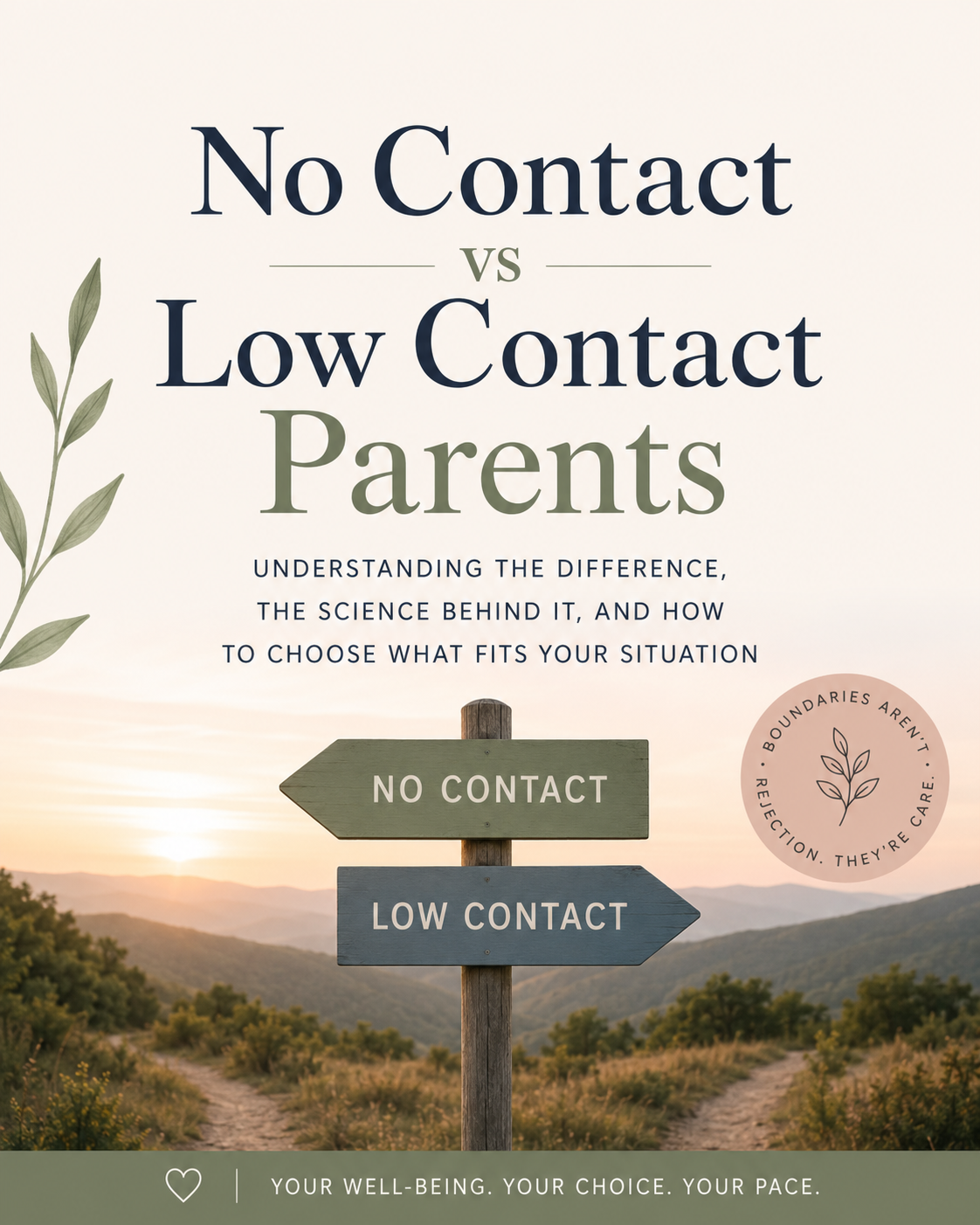
No Contact vs Low Contact Parents: Understanding the Difference, the Science Behind It, and How to Choose What Fits Your Situation
No Contact vs Low Contact explores how adults navigate relationships with parents when closeness no longer feels emotionally safe or sustainable. Rather than framing these choices as right or wrong, the article looks at them as two forms of boundary-setting shaped by psychological safety, nervous system regulation, and personal capacity. Drawing on attachment theory, family…